Malaysian businesses often struggle to decide between investing in SEO or Google Ads, as each channel promises visibility but operates very differently. Understanding the strengths and trade-offs of both will help you allocate your budget effectively.
To choose between SEO and Google Ads, evaluate your timeline (SEO requires 3–6 months for results; Ads are instant), budget (Ads have ongoing costs; SEO has upfront setup), and competition level. SEO builds long-term authority; Ads deliver immediate clicks.
SEO vs Google Ads: Quick Comparison
Metric / Feature
Standard
Premium
Time to Results
3–6 months typical
Days to 1 week
Cost Model
Upfront investment + maintenance
Per-click bidding (CPC)
Long-Term ROI
Cumulative (compounds over time)
Stops when budget ends
Ranking Durability
Persists with updates
Disappears when paused
Why Choose SEO for Sustainable Growth?
SEO targets users actively searching for solutions, delivering organic traffic that accumulates over time. Once your site ranks, visibility continues without recurring per-click fees, making it cost-effective for long-term campaigns.
Unlike paid ads, SEO builds trust and brand authority. Higher click-through rates occur naturally because users perceive organic results as more credible and relevant.
Compounding returns: traffic grows as rankings improve
No daily budget drain; one-time optimization cost
Better user intent matching and conversion potential
Supports brand credibility and thought leadership
Works 24/7 without active campaign management
When Google Ads Delivers Faster Wins?
Photo by Magnific
Google Ads guarantee immediate placement above organic results, ideal for time-sensitive campaigns or competitive keywords. You control budget and can pause anytime, making it low-risk for testing new products or services.
Ads allow granular targeting by location, device, and audience, enabling precise reach. For competitive high-intent keywords, Ads often outperform organic in the first 3–6 months of SEO ramp-up.
Instant visibility for high-traffic keywords
Test messaging and landing pages quickly
Geographic and demographic targeting precision
Ideal for seasonal campaigns or product launches
Measurable daily performance and easy pause/resume
How Budget Allocation Differs
Photo by Magnific
SEO requires upfront investment in technical audits, content creation, and link-building but has low recurring costs once optimized. Typical monthly maintenance is 10–30% of initial setup, making long-term cost per acquisition much lower.
Google Ads operate on continuous spending: daily budgets mean you pay for every click regardless of conversion. For competitive keywords, monthly spend can range significantly based on industry demand and quality score.
Ads: ongoing per-click spending, no asset ownership
SEO ROI improves with time and compounding authority
Ads ROI depends on bid strategy and competition
Hybrid approach balances speed and sustainability
How to Choose the Right Strategy for Your Business
Assess your timeline and campaign urgency.: If you need results within 30 days, start with Google Ads while beginning SEO foundations. If you can wait 4–6 months, SEO alone may deliver better long-term value.
Analyze your competitive landscape and keyword difficulty.: High-competition keywords may favor Ads initially, but investing in SEO establishes dominance over 12+ months.
Calculate your realistic budget for each channel.: SEO typically requires RM 3,000–8,000+ per month for professional services; Ads budgets vary widely. Match spend to your customer lifetime value.
Define your primary conversion goal.: Lead generation often suits Ads for speed; brand awareness and organic traffic favor SEO for credibility.
Plan a hybrid approach starting today.: Run low-cost Google Ads experiments while building SEO authority, then shift budget toward organic as rankings improve.
Expert Insight: Why Malaysian Businesses Benefit from Both
“The most successful digital strategies don’t pit SEO against Ads as either-or decisions. SEO builds your moat—ranking for 50+ keywords compounds into thousands of monthly visitors. Ads accelerate that journey for high-intent keywords and competitive niches. We recommend clients allocate 60% SEO, 40% Ads in year one, shifting toward 80/20 by year two as organic volume scales.”
— Clement Ng, Chief Executive Officer, Rebrand & Engage
According to HubSpot State of Inbound Marketing, Organic search drives 51% of all website traffic globally, significantly outpacing paid channels over a 12-month period..
Frequently Asked Questions About seo vs google ads
Is SEO cheaper than Google Ads long-term?
Yes. While SEO requires upfront investment (RM 3,000–8,000+ monthly for professional services), traffic becomes self-sustaining after 6–12 months. Google Ads cost per click compounds indefinitely, making SEO more cost-effective after year one. The trade-off is patience: SEO takes 3–6 months to show results, while Ads deliver immediately.
Can I rank on Google without paid ads?
Absolutely. Google’s algorithm ranks sites purely on relevance, authority, and user experience—Ads have zero impact on organic rankings. However, Ads complement SEO by capturing high-intent traffic while your organic rankings develop. Many businesses use both to dominate search results.
How long before SEO starts generating traffic?
Most websites see measurable organic growth in 3–6 months, but competition and industry maturity affect timelines. E-commerce and highly competitive sectors may take 6–12 months. Consistency in content, technical optimization, and link-building accelerates results.
What’s the best budget split between SEO and Ads?
For new businesses or competitive markets, allocate 40% Ads + 60% SEO in year one. As organic traffic grows, shift toward 20% Ads + 80% SEO by year two. For established brands targeting brand queries, 90% SEO + 10% Ads often suffices.
Do Google Ads help SEO rankings?
No. Paid and organic search are separate ranking systems. However, Ads data (keyword performance, audience behavior, conversion rates) informs SEO strategy, and Ads traffic volume does not affect Google’s organic algorithm. Use Ads insights to guide content and keyword priorities for SEO.
Which channel is best for Malaysian SMEs?
Most Malaysian SMEs benefit from starting with 3–6 months of combined Ads + SEO: Ads for immediate leads, SEO for long-term authority. As organic rankings improve, reduce Ads spend and reinvest in SEO expansion, content, and reputation management.


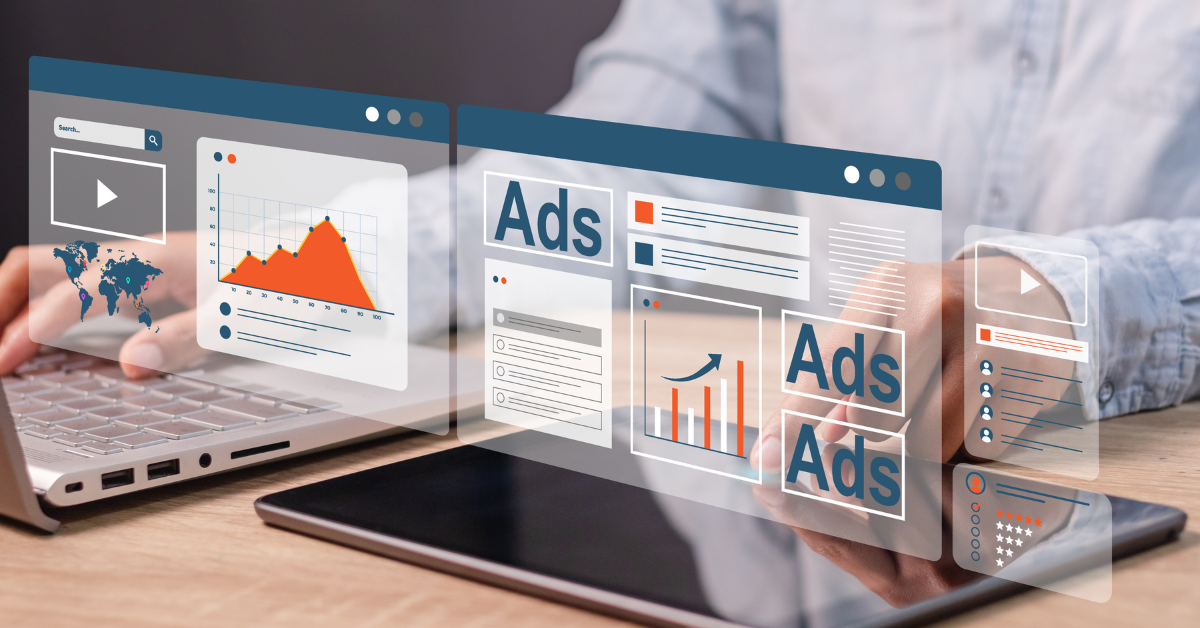 Photo by Magnific
 Photo by Magnific