

Choosing between SEO and SEM can determine your digital marketing success. Both drive traffic, but they work differently and suit different business goals.
To maximize online visibility, combine SEO (organic, long-term) and SEM (paid, immediate results). Critical factors: budget allocation, timeline urgency, and competition level in your industry.
SEO vs SEM: Key Metrics Comparison
| Metric / Feature | Standard | Premium |
|---|---|---|
| Traffic Type | Organic (unpaid) | Paid (PPC ads) |
| Cost Model | Investment in optimization | Pay-per-click costs |
| Time to Results | 3–6 months or longer | Days to weeks |
| Long-Term ROI | Compounding over time | Stops when budget ends |
| Best For | Sustainable growth | Immediate visibility |
What Is SEO and How Does It Build Long-Term Value?
Search Engine Optimization (SEO) focuses on earning organic traffic through technical optimization, content quality, and authority building. Once ranking positions are earned, traffic continues without ongoing ad spend.
SEO compounds over time—each optimized page, backlink, and improved metric accumulates. Your investment in keyword research, on-page optimization, and link building becomes a growing asset.
- Keyword research and on-page optimization (titles, meta, headers)
- Technical SEO (site speed, mobile-friendliness, crawlability)
- Content creation targeting user intent and search volume
- Building authority through backlinks and domain reputation
- Long-tail keyword strategy for niche, high-intent queries
What Is SEM and When Should You Use Paid Search?
 Photo by Magnific
Search Engine Marketing (SEM) is a paid strategy using platforms like Google Ads and Bing to bid on keywords. Ads appear at the top of results immediately, regardless of organic ranking.
SEM excels when you need instant traffic, test campaigns quickly, or compete in high-volume markets. Costs depend on keyword competition, industry, and click-through rates.
- Google Ads, Bing Ads, and platform-specific campaign management
- Keyword bidding, ad copy testing, and landing page optimization
- Retargeting campaigns to re-engage site visitors
- Geographic and demographic targeting for local markets
- Seasonal campaigns and time-sensitive promotions
How to Choose Between SEO and SEM for Your Business
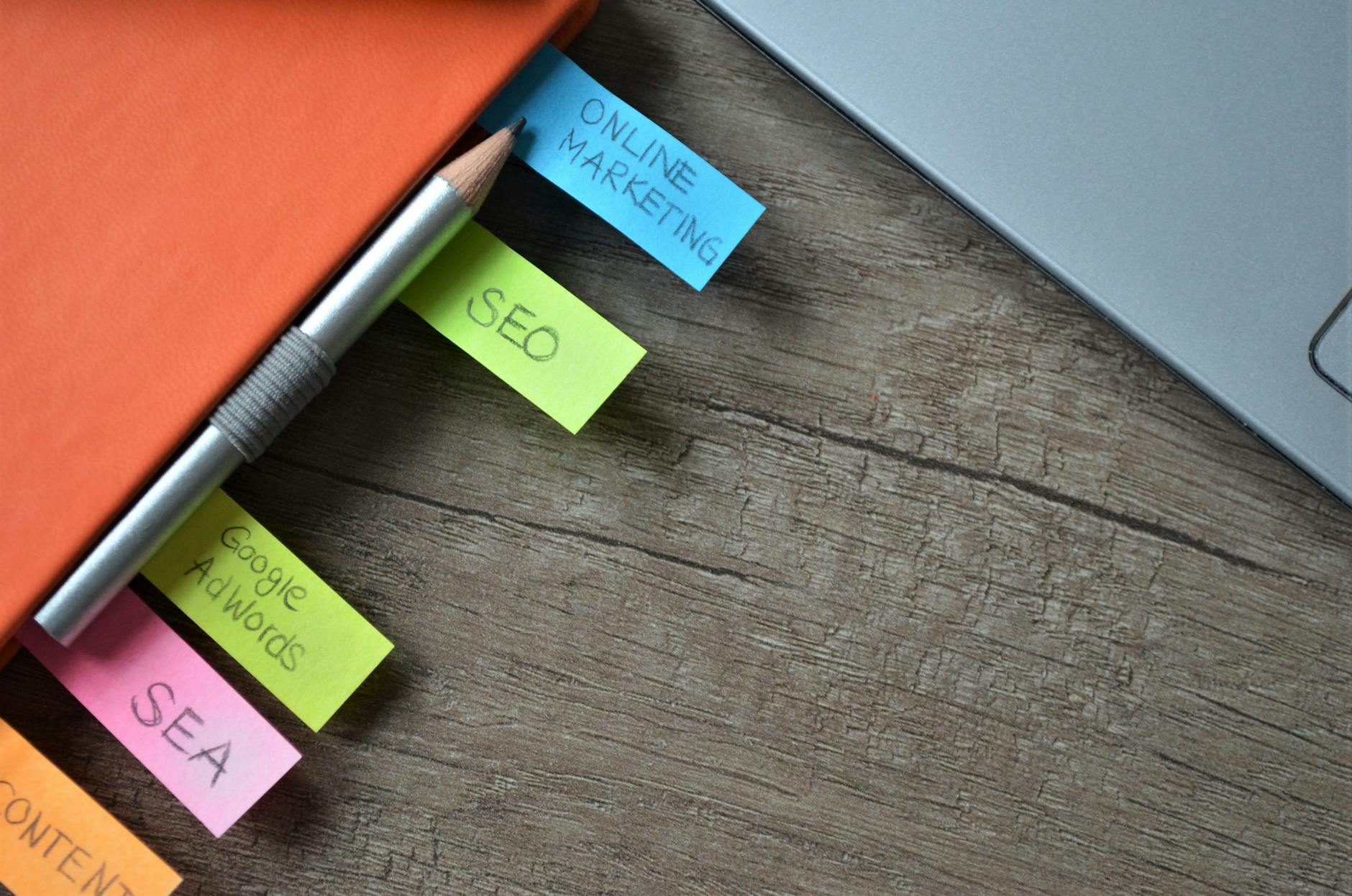
- Assess Your Timeline and Budget Constraints: If you need traffic in weeks and have ad budget, SEM is faster. If you can invest 3–6 months and want sustainable ROI, prioritize SEO.
- Analyze Your Keyword Competition and Search Volume: High-competition keywords may require SEM to rank quickly. Lower-competition niches can achieve SEO wins faster and more cost-effectively.
- Evaluate Your Customer Acquisition Cost Targets: Calculate the break-even CPC for SEM. If SEO’s time investment aligns with your CAC goal, pursue it; otherwise, supplement with paid ads.
- Test and Measure Both Channels Simultaneously: Run small SEM campaigns while building SEO foundations. Track conversion rates, ROI, and channel attribution to refine your mix over time.
- Build a Long-Term Hybrid Strategy: Start with SEM for immediate leads and SEO for sustainable growth. As organic rankings improve, reduce paid spend and reinvest in content and technical improvements.
Expert Insight: Balancing SEO and SEM in Competitive Markets
“The best-performing businesses don’t choose between SEO and SEM—they sequence them strategically. Use SEM to capture immediate demand and validate keywords, then double down on SEO for those winners. As your organic visibility grows, your CAC naturally decreases and SEM becomes more of a peak-season tool.”
— Clement Ng, Chief Executive Officer, Rebrand & Engage
According to HubSpot State of Marketing Report, Marketers who combine organic and paid search strategies see 25–40% higher conversion rates than those using a single channel..
Frequently Asked Questions About seo vs sem
Is SEO cheaper than SEM in the long run?
Yes. SEO requires upfront investment in optimization but doesn’t incur per-click costs once ranking. SEM costs accumulate with every click, making it expensive for high-traffic queries over months or years. For sustainable, high-volume traffic, SEO typically delivers better long-term ROI, though initial optimization takes 3–6 months.
How long does it take to see results from SEO?
Most websites see meaningful SEO improvements within 3–6 months, depending on competition and current authority. Highly competitive industries may take 6–12 months to reach top rankings. SEM, by contrast, drives traffic within days once campaigns go live.
Can I rank organically if my competitors use SEM?
Absolutely. Organic and paid results occupy separate spaces in search engines. Strong SEO can push competitors below your organic listing even if they spend heavily on ads. Focus on relevance, authority, and user experience—rank independently of competitor spending.
Should I invest in both SEO and SEM simultaneously?
For most businesses, yes—if budget allows. Start SEM immediately to capture high-intent traffic and test keywords. Simultaneously, invest in SEO to build long-term visibility. As organic rankings improve, reduce reliance on paid ads and reinvest savings into content and SEO enhancements.
Which is better for local businesses: SEO or SEM?
Both are powerful for local search. Local SEO (Google My Business, location keywords, local citations) is cost-effective and builds trust. Local SEM (geo-targeted ads) delivers instant foot traffic and calls. Combine them: optimize your local presence organically while running targeted local ads to dominate local results.
How do I measure ROI for SEO versus SEM?
For SEM, ROI is straightforward—ad spend ÷ revenue from paid clicks. For SEO, track organic traffic, conversions, and revenue over time. Use attribution models to account for multi-touch journeys. Compare the cost per acquisition and lifetime value of customers from each channel to guide budget allocation.

- Email Campaign Checklist: 9 Steps to Launch with Confidence - August 14, 2026
- How to Create Brand Guidelines: 7 Essential Steps - August 13, 2026
- How to Improve Your Google Business Profile in 2026 - August 12, 2026