The Foundation: Setting Up a High-ROI PPC Strategy
A successful PPC campaign needs a solid foundation—just like building a house. Many advertisers rush into picking keywords or creating ads. They miss the significant first steps that determine if their campaigns will succeed or fail. Let’s look at how to build that foundation.Define clear campaign goals
The costliest mistake in PPC advertising happens when goals aren’t well-defined. Your campaigns need direction to measure success and optimize effectively. Your strategy should include goals at multiple levels: overall marketing program, specific platforms, and individual campaigns. Your PPC goals should be:- Specific and measurable – “Increase online sales of product Y by 25%” works better than just saying “increase sales”
- Results-oriented – Focus on outcomes like conversion rates instead of inputs like “adding 300 new keywords”
- Challenging yet attainable – Simple goals won’t stimulate growth, while unrealistic ones can discourage your team
- Time-bound – Weekly, monthly, quarterly, or annual targets create standards to track progress
Line up PPC with business KPIs
Clear campaign goals should match your broader business objectives. Your PPC efforts must directly support your company’s main goals—revenue growth, market expansion, or customer acquisition. Advertisers often make the mistake of using the same goals for all campaigns whatever their place in the marketing funnel. Each campaign serves a unique purpose and needs different success measures. To cite an instance, awareness campaigns need metrics like impressions and engagement. Conversion-focused campaigns should track cost-per-acquisition and return on ad spend. Your campaign planning should answer these vital questions:- Can you track all priority goals?
- Does each campaign support overall business goals?
- Does your account structure reflect these objectives?
- How does your business measure success, and can you access those systems?
Choose the right PPC marketing agency
Your paid search experience largely depends on picking the ideal PPC marketing agency. Define your goals first—brand awareness, pipeline growth, product launches, more conversions, or better online revenue. The right agency needs: 1. Industry-specific experience: Agencies that know your niche understand your market and customers better. They know which strategies appeal to your audience and save time and money. 2. Transparent pricing and reporting: The agency should be clear about their pricing structure before you sign any agreements. Ask if they use flat fees, percentage of ad spend, or hybrid models. They should also give you regular, clear reports on how campaigns perform. 3. Data ownership: Google Ads accounts, landing pages, and creative assets should stay yours. One expert warns against using an agency’s “seasoned ads account” because they can “hold you hostage by owning your data”. Starting from scratch wastes valuable historical data if you leave. Note that working with a PPC agency is a partnership. Good agencies do more than run campaigns. They guide strategy, test different approaches, and optimize to remain competitive. They should understand your business goals and adapt their approach to fit your needs and budget.
Choosing the Right Platforms for Your Audience
Your campaign goals come first. Then comes the most critical decision – picking the right advertising platform. Each platform serves different audiences and goals. A smart approach to choosing platforms can boost your ROI significantly. Your PPC agency can also distribute budgets better by understanding what makes each platform special.Google Ads vs Microsoft Ads
Google rules the digital world with over 90% of global search traffic. This makes it the first choice for most PPC marketing agencies. But Microsoft Ads (covering Bing, Yahoo, and AOL) deserves attention, especially for specific demographics and business types. The audience differences are clear. Microsoft users are typically older, more educated, and have higher incomes. Google draws a wider range of users – 21.9% are 18-24 years old and 28.4% are 25-34. This makes Microsoft Ads better suited for B2B services and products aimed at older consumers. Looking at costs, Microsoft Ads gives you:- CPCs about 33% lower than Google
- Fewer advertisers competing for space
- Better ad spots for your money
When to use Facebook, LinkedIn, or TikTok
Social platforms target differently than search engines. They use audience traits instead of keywords to show ads. Facebook (Meta) leads with 2.9 billion users worldwide. This huge reach makes it perfect for:- Brand awareness campaigns
- Reaching previous website visitors
- Selling visual products online
- Brands targeting Gen Z and young millennials
- Video-focused campaigns
- Creating viral content
Why ecommerce PPC agencies prefer Amazon Ads
Amazon ranks as the world’s third-largest digital ad platform, right behind Google and Facebook. This makes sense since half of all US adults start product searches on Amazon. That number jumps to 65% in markets like Germany. Ecommerce PPC agencies love Amazon Ads because:- The platform combines branding, display ads, organic listings, and paid listings in one place
- Amazon users are ready to buy
- Amazon’s data helps optimize for sales
- Sponsored displays to build brand awareness
- Sponsored branding to show up in search results
- Sponsored products to boost individual item sales
Keyword Targeting That Drives Conversions
Keywords are the life-blood of any successful PPC campaign. The right search terms can make the difference between average and outstanding results. My client work has shown that getting traffic alone doesn’t cut it—you need a keyword strategy that brings in visitors ready to buy.Focus on high-intent search terms
The best PPC marketing agencies target keywords that show buyer readiness. High-intent search terms tell us when users are close to making a purchase. These keywords typically fit into several groups:- Transactional keywords with words like “buy,” “discount,” or “best price”—these show strong buying intent
- Product-specific keywords that use brand names, models, or product features
- Commercial investigation terms from people actively comparing options
Use long-tail keywords for better ROI
Long-tail keywords—detailed, specific search phrases—are a rich source of opportunities many advertisers miss. These keywords make up about 70% of all searches. Even more impressive, 91.8% of search queries fall into this category. Long-tail keyword targeting gives you:- Lower competition which means cheaper cost-per-click
- Higher relevance to what users want, boosting quality scores
- Better conversion rates from qualified traffic
Avoid broad match pitfalls
Broad match—Google‘s default keyword setting—can either magnify your campaign’s reach or waste money on wrong clicks. Many advertisers leave their keywords on broad match without knowing what it all means. This mistake tops the list of what a Google PPC agency helps fix. Broad match gives you the biggest possible audience and sometimes surprises you with good results, but you must watch it carefully. Without proper control, your ads might show up for unrelated searches. To name just one example, a jeweler’s fine gold necklace ads might appear for “cheap fake necklaces”. Here’s what you can do:- Use negative keywords to stop irrelevant traffic. A pay per click agency updates these lists to get better click-through rates and fewer bounces.
- Try other match types like phrase match or exact match for your best converting keywords.
- Check search terms reports to find and block irrelevant searches eating your budget.
- Add audience targeting with broad match to reach only relevant prospects.

How Top PPC Agencies Use Negative Keywords
Negative keywords remain one of the most overlooked features in PPC advertising, yet leading PPC agencies use them effectively to protect their clients’ budgets. The best PPC agencies don’t just pick what to target—they carefully plan what to exclude.What are negative keywords?
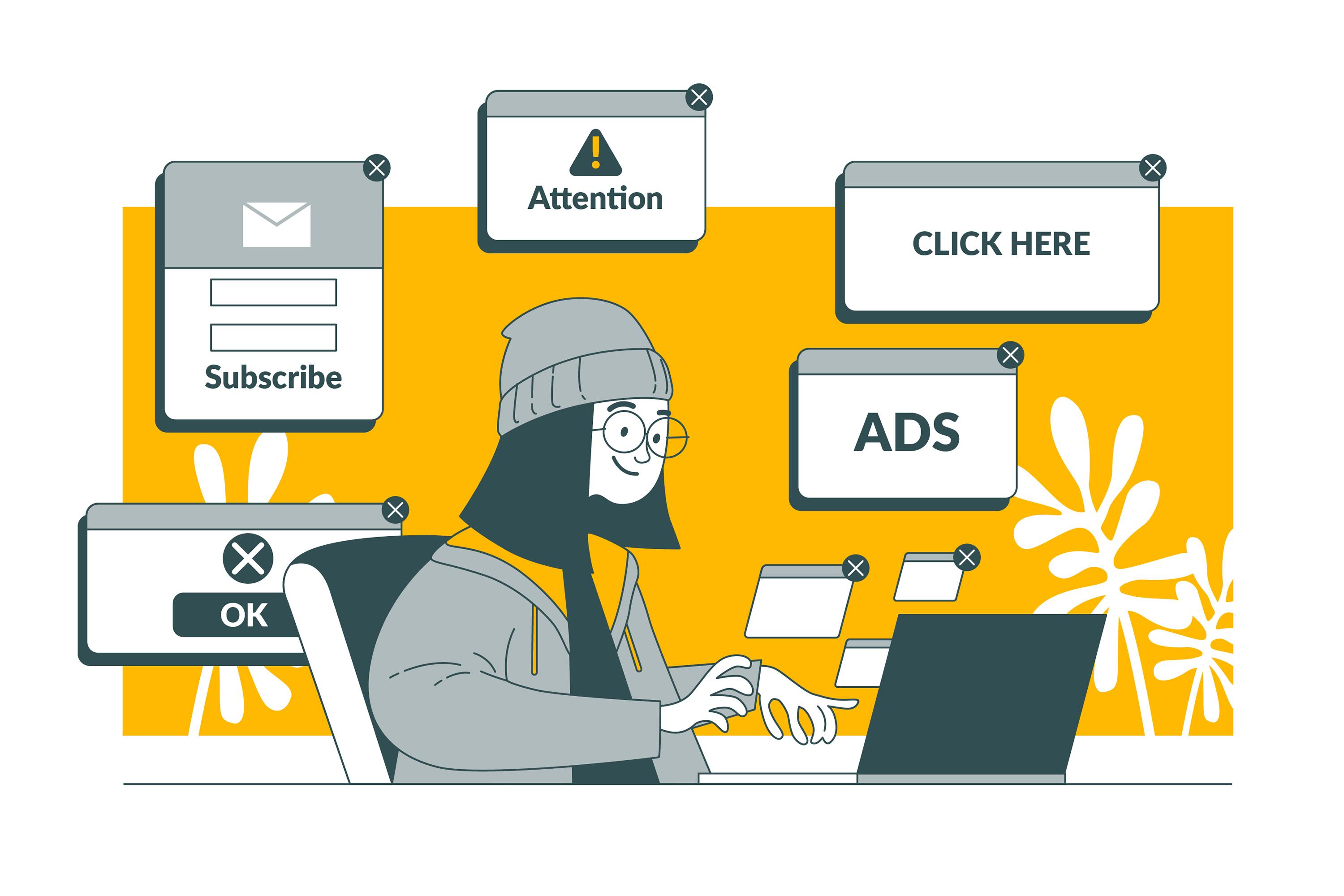
Negative keywords are specific words or phrases that stop your ads from showing up when users search with those terms. These keywords work differently from standard ones that trigger your ads. They act as filters and tell Google and other platforms not to display your ad when specific terms appear in searches. To cite an instance, adding ‘free’ as a negative keyword stops your ads from appearing in any search with that word. This small change can dramatically improve your campaign’s performance. PPC marketing experts know that negative keywords behave differently on various platforms:- Search campaigns block ads when exact terms show up
- Display campaigns cast a wider net by excluding content related to those terms
- Video platforms help avoid unrelated content
Examples of keywords to exclude
PPC agencies start with a basic list of negative keywords before launching any campaign. Common examples include:- Freebie seekers: ‘free,’ ‘complimentary,’ ‘no cost,’ ‘gratis’
- Job hunters: ‘jobs,’ ‘career,’ ’employment,’ ‘salary,’ ‘hiring,’ ‘resume’
- Information gatherers: ‘how to,’ ‘guide,’ ‘tutorial,’ ‘tips,’ ‘advice’
- DIY enthusiasts: ‘DIY,’ ‘homemade,’ ‘alternative,’ ‘substitute’
- Price shoppers: ‘cheap,’ ‘discount,’ ‘bargain,’ ‘clearance’
How they reduce wasted ad spend
Negative keywords boost ROI by stopping irrelevant clicks. Businesses that use complete negative keyword strategies save 20-50% on ad costs while getting more conversions. This makes them essential to campaign success. Ecommerce PPC specialists point to several key benefits:- Budget protection – Blocking irrelevant searches sends more money toward qualified prospects
- Improved quality score – Better matching between ads and search intent boosts your Google quality rating
- Lower cost-per-click – More relevant ads lead to better positions and reduced costs
- Brand protection – Keeps ads away from unflattering or inappropriate content
- Account-level – Terms that don’t fit any campaign
- Campaign-level – Words specific to certain campaign goals
- Ad group-level – The finest control over what triggers ads
Crafting Ads That Actually Convert
PPC campaigns need compelling ad copy as their life-blood. The difference between a click and a scroll comes down to your ad’s ability to convert browsers into buyers. Your ad text should directly address what potential customers actively seek.Write headlines that match search intent
PPC success depends on understanding search intent. Smart headline creation requires looking beyond keywords to learn what users want to accomplish. Your headline must address their specific problem. Most customers see purchases as solutions rather than products or services. To name just one example, see security software promotion. A headline “Can You Tell If Your Phone Is Hacked?” speaks to a specific worry instead of listing features. The headline should mirror what users search – we captured demand naturally rather than creating it artificially. “Shop Comfortable Ergonomic Office Chairs” works perfectly for someone looking for that exact product.Use emotional and benefit-driven CTAs
High-converting ads need clear calls to action that guide users toward conversion. CTAs are the foundations of successful ads. Leading PPC agencies craft CTAs beyond basic phrases like “Learn More” by using:- Action-oriented language like “Register Now” or “Start Your Free Trial”
- Urgency triggers such as “Limited Time Offer” or “Ends Tonight”
- Benefit-focused phrasing that shows outcomes rather than features
A/B test ad variations regularly
Leading Google PPC agencies never stick to just one ad version. Testing different headlines, CTAs, and messages shows what strikes a chord with your audience. Many ecommerce PPC agencies use A/B testing to boost conversion rates while cutting acquisition costs. You should test variations that highlight different value propositions—price, speed, or trust—to find what drives engagement. Small changes can produce amazing results. One marketer’s CTR soared just by switching “Shop Now” to “Get Yours Today”. These principles lead to effective testing:- Test single elements to pinpoint performance impacts
- Give tests enough time to reach statistical significance
- Make small improvements instead of complete redesigns
Landing Pages That Match the Message
The path from click to conversion depends on your landing page. Even the best PPC ads fail with poor landing pages. Your landing page must deliver what your ad promises. If not, visitors will leave and your budget goes to waste.Make your ad match your page
Message match is the life-blood of successful PPC campaigns. Users who click an ad expect to see the same message on your landing page. Any mismatch between ads and landing pages makes bounce rates shoot up and hurts your Quality Score. A proper match between your landing page and ad copy can lift conversion rates by 25%. A top ppc marketing agency creates message match by:- Using identical headlines from ads to landing pages
- Keeping keywords consistent across both elements
- Making visuals match with similar colors and images
- Showing promised offers clearly in the ad
Make it fast and mobile-friendly
About 96.5% of people browse the internet on mobile devices. Speed matters too – just one second of delay cuts conversions by 7%. The best ppc agency loads landing pages in under three seconds. They do this through better images, clean code, and smart browser caching. A responsive design that fits all screen sizes helps keep users engaged on any device. Mobile pages need easy thumb navigation, clear text without zooming, and buttons users can tap without struggling.Show trust and clear next steps
People need reasons to trust you before they convert. Trust indicators boost confidence in what you offer. About 98% of consumers say trust signals make them more likely to buy. A google ppc agency builds trust through:- Real customer reviews and testimonials
- Security badges near forms or checkout
- Professional certifications and awards
- Risk-free guarantees
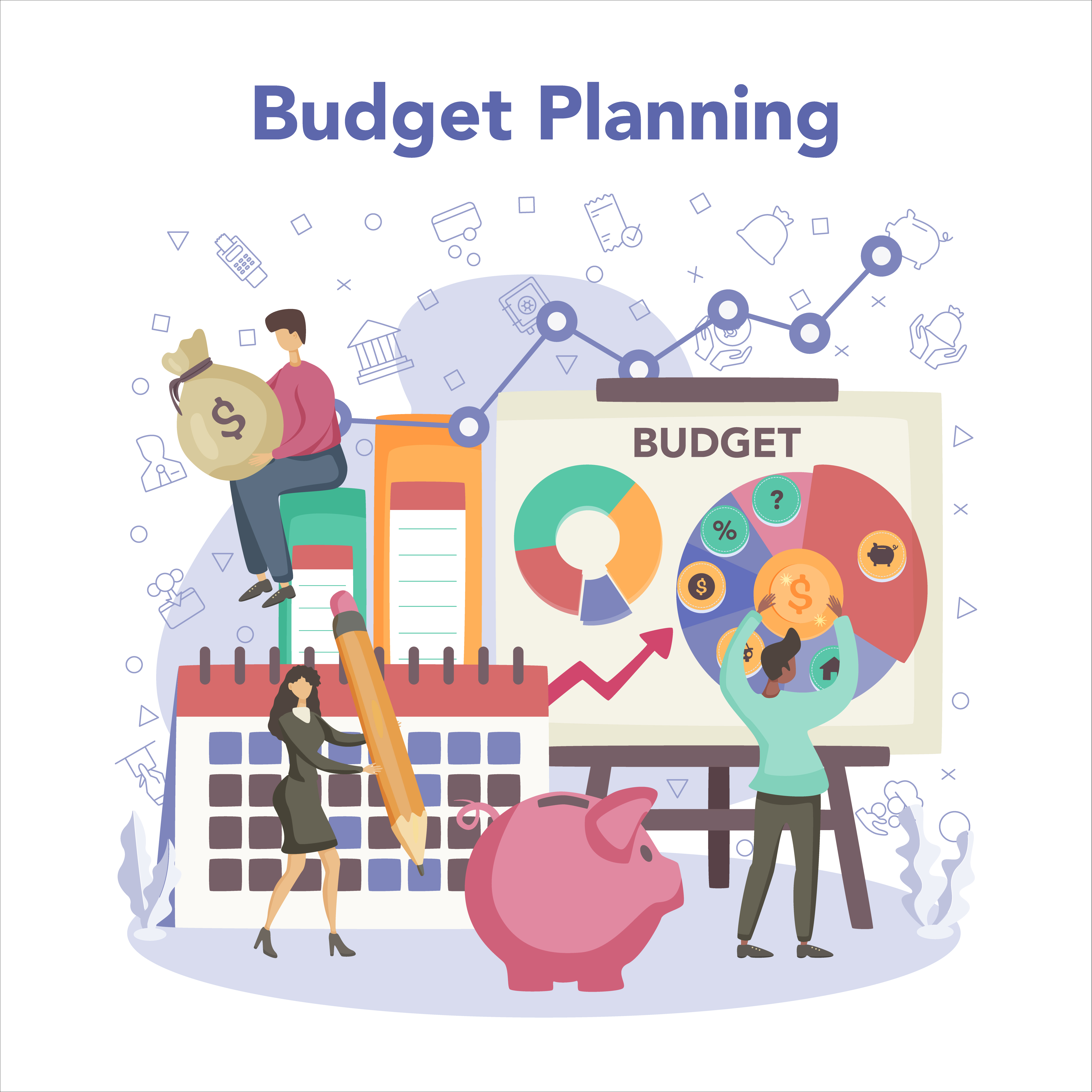
Economics and finance concept. Business people work with budjet, cost control. Idea of economic analysis and money making. Business strategy. Vector illustration in cartoon style
Smart Bidding and Budget Allocation Tactics
Smart bidding has transformed the way ppc agencies handle campaign spending. Daily budget settings are just the beginning. Proper bid management requires strategic choices about automation timing and resource distribution.Manual vs automated bidding
Manual bidding puts you in complete control of keyword-level bids. You can adjust them right away based on results. Small accounts and new campaign tests benefit from this method. All the same, larger campaigns make manual bid maintenance increasingly difficult. Automated bidding makes use of Google’s AI. It tweaks bids up-to-the-minute using signals like device type, location, timing, and user intent. The best ppc agency experts know that automation doesn’t remove human oversight needs. It simply changes the focus from bid adjustments to strategy development. Smart Bidding strategies offer several benefits:- Auction-time bidding optimizes each specific query
- Access to contextual signals beyond human capability
- Time freed up for creative and strategic growth
Using Target ROAS and Maximize Conversions
Target ROAS (Return on Ad Spend) fine-tunes bids automatically to maximize your ad spend return. Many businesses want an ROAS of 200% – that means $2 in revenue for every dollar spent. Ecommerce ppc agencies find this strategy particularly effective for product-based campaigns. Maximize Conversions gets you the most conversions within your budget, whatever the cost per conversion. Promotional campaigns and conversion-focused efforts work best with this approach. Ppc marketing agencies often add Target CPA to gain more control and secure conversions at specific costs.How the best PPC agencies scale budgets
Smart ppc ad agencies don’t rush budget increases. They prefer gradual growth – 10-20% daily or 15% weekly for campaigns that perform well. This careful approach lets Smart Bidding algorithms adapt without wasting money. Top google ppc agencies optimize budget allocation through:- Portfolio bidding strategies that maintain consistency across campaigns
- Shared budgets that fund high-performing campaigns adequately
- Strategic budget distribution between branded, non-branded, and remarketing campaigns
Ongoing Optimization and Performance Tracking
Successful PPC management relies on tracking performance continuously. The best ppc agency professionals understand campaign optimization needs constant monitoring and smart adjustments.Track conversions, not just clicks
Clicks don’t tell the whole story. Conversion tracking shows which keywords, ads, and campaigns create valuable customer actions. You can’t optimize or calculate true ROI without this data. Conversion tracking helps you:- See which campaigns deliver real business results beyond traffic
- Allocate your budget wisely
- Spot elements that need optimization
Use heatmaps and analytics tools
Heatmaps show you exactly how users behave on your site. They reveal where visitors click, scroll, and pause. This data explains the reasons behind your analytics and shows UX issues that might hurt conversions. Click maps show if users ignore your CTAs or click non-clickable elements. Scroll maps reveal attention drop-off points. You might need to change your content structure if 40% of users leave your page after the first CTA. A good google ppc agency combines heatmap insights with analytics platforms. Heatmaps show where users interact while analytics explain why. Together, they remove guesswork and let you optimize based on data.When to pivot or pause campaigns
Your ROI depends on knowing the right time to scale, pause, or pivot campaigns. You need to watch key performance indicators closely. Pause campaigns when:- Performance falls below targets (higher CPA, lower CTR)
- Seasonal factors hurt results
- You need analysis time before restarting
- Your audience’s behavior shifts (new trends or choices)
- More competition drives up costs
- Your creative stops working
Conclusion
PPC advertising stands as a powerful tool that can grow your online business presence with proper management. Top PPC agencies don’t just manage campaigns – they deliver exceptional results through smart optimization. This piece reveals their proven strategies. Your business KPIs should guide clear campaign goals that are the foundations of success. Without them, measuring success or making improvements becomes challenging. The right platform choice based on your audience’s demographics can significantly affect your campaign’s performance. Smart keyword targeting helps reduce wasted spending more than any other factor. A mix of high-intent search terms and long-tail keywords creates the perfect balance between volume and conversion potential. Of course, negative keywords protect your budget and can save 20-50% of ad spend while boosting conversions. Compelling headlines and benefit-driven CTAs must match search intent to motivate action. The best ads need optimized landing pages that maintain consistent messaging and build trust with visitors. Campaign management has evolved with smart bidding technologies. These tools need strategic human guidance to reach their full potential. Your campaigns’ success depends on continuous optimization based on conversion data rather than just clicks. The right PPC agency can turn these strategies into real business growth. A good partner offers strategic guidance tailored to your goals and budget instead of just running campaigns. Your choice of agency could mean the difference between wasted ad spend and doubled ROI. This piece gives you the knowledge about how leading agencies reduce waste and maximize returns. These strategies work in any industry with consistent application and data analysis. You can start your next successful campaign using these basics – whether you manage it yourself or team up with experts who can implement them for you.Stop Guessing. Start Scaling with Data-Driven PPC
Tired of wasting ad budget with poor targeting, bad keywords, or underperforming platforms? At Rebrand Malaysia, we help businesses like yours cut wasted spend, boost conversions, and double ROI using smart PPC strategy, AI-driven bidding, and precise keyword targeting. Contact us today to embark on this exciting journey of growth and success. Your brand and business deserve their very own story. Check out our portfolio: www.rebrand.com.my/portfolio Get a FREE 30-minute consultation with Rebrand Malaysia Now! Subscribe to our newsletter to always be up-to-date with the latest online marketing trends and insights! Call us at : 011-3957 0709 Email us at: [email protected] WhatsApp: https://wa.link/razoe6Cut Ad Waste & Double ROI – PPC Tips Frequently Asked Questions
This FAQ covers the most common questions about Cut Ad Waste & Double ROI – PPC Tips. Last Updated: 8 July 2026
What percentage of PPC budget do most marketers waste?
Most marketers waste 25% of their PPC budget due to ineffective campaign strategies. Poor targeting and irrelevant clicks can waste up to 76% of ad budgets, making strategic optimization and negative keyword management essential to protect your investment.
- Ineffective campaign strategies cause 25% budget waste
- Poor targeting and irrelevant clicks account for up to 76% of wasted ad spend
- Platform competition and 13% year-over-year CPC growth require active campaign management
The ‘set and forget’ approach no longer works for competitive PPC campaigns.
How do I define clear PPC campaign goals?
PPC campaign goals should be specific and measurable (e.g., ‘increase online sales by 25%’), results-oriented, challenging yet attainable, and time-bound with weekly, monthly, quarterly, or annual targets. Goals must align with your broader business KPIs and be tracked consistently across multiple campaign levels.
- Goals must be specific and measurable with concrete targets
- Focus on results and outcomes rather than inputs
- Set time-bound targets (weekly, monthly, quarterly, or annual)
- Align campaign goals with overall business objectives
Many businesses fail because they launch campaigns without clear goals beyond generic traffic or conversion increases.
What should I look for when choosing a PPC marketing agency?
Choose a PPC agency with industry-specific experience, transparent pricing and reporting, and data ownership clarity. The right agency should understand your business goals, guide strategy, test different approaches, and optimize campaigns to remain competitive rather than simply running campaigns.
- Industry-specific experience ensures understanding of your market and customers
- Transparent pricing models (flat fees, percentage of ad spend, or hybrid)
- Regular, clear performance reporting required
- Data ownership: your Google Ads accounts, landing pages, and creative assets should remain yours
Avoid agencies that own your advertising accounts, as this locks you into their service and wastes historical data if you switch partners.
How do I align PPC campaigns with business KPIs?
Align PPC goals with your company’s main objectives such as revenue growth, market expansion, or customer acquisition. Use different success metrics for each campaign type: awareness campaigns track impressions and engagement, while conversion-focused campaigns track cost-per-acquisition and return on ad spend.
- Awareness campaigns measure impressions and engagement
- Conversion campaigns track cost-per-acquisition and return on ad spend
- Revenue-focused campaigns require revenue tracking to be ready for optimization
- Each campaign must support overall business objectives
Using identical goals across all campaigns regardless of their position in the marketing funnel leads to inefficient measurement and missed optimization opportunities.
Learn campaign measurement strategy
What techniques help reduce PPC ad waste?
Top PPC agencies reduce ad waste through AI-powered automated bidding that adjusts bids immediately, negative keywords that protect your budget, and analytical insights paired with high-intent keywords. These strategies eliminate irrelevant clicks while boosting conversion rates and ROI.
- AI-powered automated bidding adjusts bids in real-time
- Negative keywords prevent irrelevant clicks and protect budget
- High-intent keyword targeting boosts conversion rates
- Analytical insights guide optimization decisions
Explore PPC optimization techniques
Why is platform selection important for PPC campaigns?
Platform selection determines which audiences you reach and how effectively you achieve your goals. Each advertising platform serves different audiences and campaign objectives, making strategic platform choice essential to maximize ROI and campaign performance.
- Campaign goals should guide platform selection
- Different platforms reach different audience types
- Platform choice directly impacts ROI and performance
Learn platform selection strategy

- Email Campaign Checklist: 9 Steps to Launch with Confidence - August 14, 2026
- How to Create Brand Guidelines: 7 Essential Steps - August 13, 2026
- How to Improve Your Google Business Profile in 2026 - August 12, 2026