
Exploring Food Packaging in Malaysia
In today’s fiercely competitive food industry, where consumers’ visual sensibilities drive their purchase decisions, food packaging design has become an art form that can make or break a brand. This article delves into the fascinating realm of food packaging design, with a specific focus on the vibrant and diverse landscape of Packaging Design Malaysia. We’ll uncover its significance, delve into food label design, explore current trends, and provide tips for making your product shine.The Art of Food Packaging Design
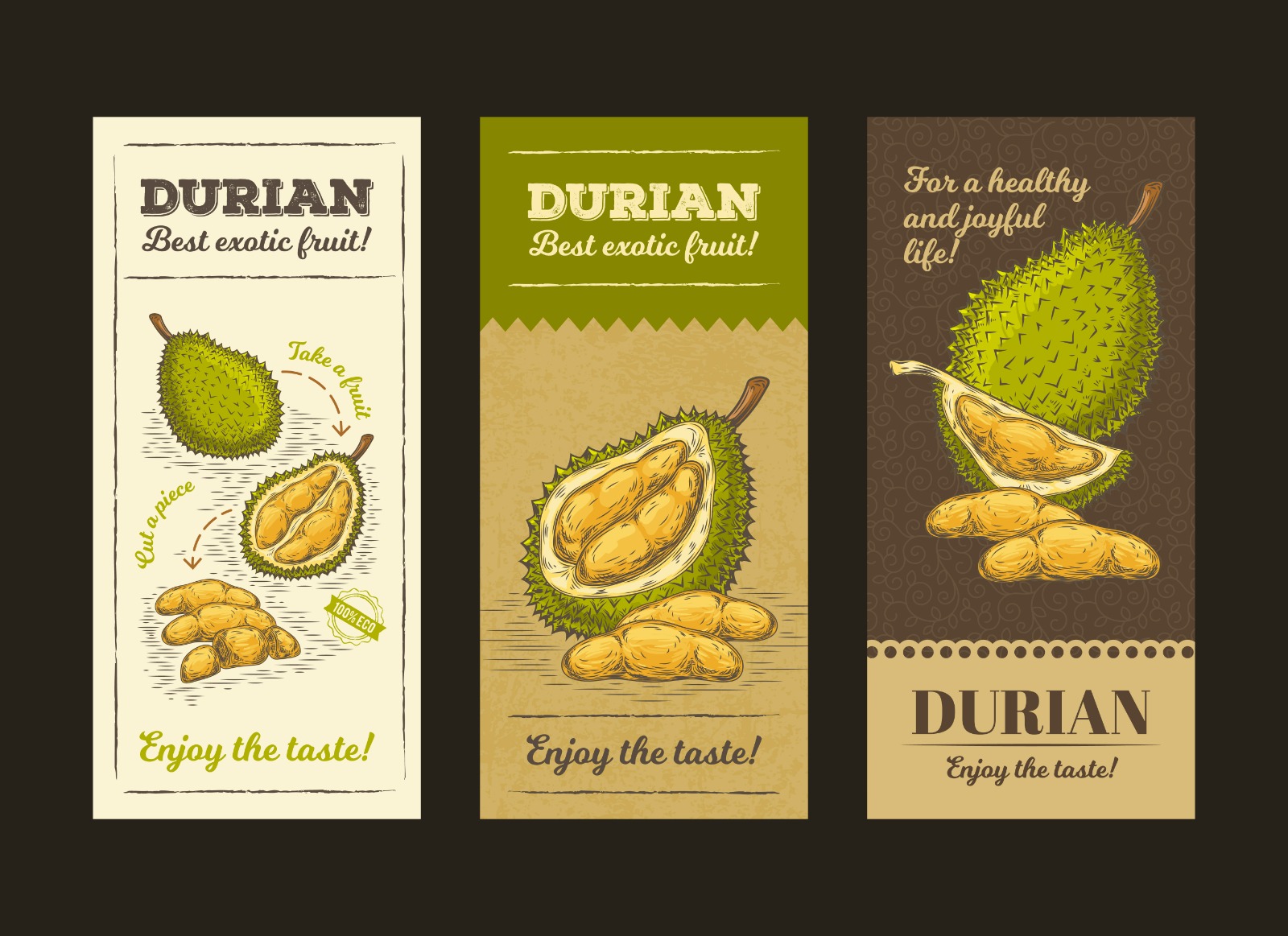 Food packaging design is far more than a functional necessity; it’s a strategic tool that combines creativity, branding, and compliance with regulations. It serves multiple critical purposes, including:
# 1. Protection
Packaging goes beyond aesthetics; it’s the first line of defence for food products. Its primary function is to ensure the safety and freshness of the contents by shielding them from moisture, air, and contamination. In Malaysia’s tropical climate, effective packaging is vital for preserving food quality.# 2. Marketing
In the bustling aisles of grocery stores, competition is fierce. It’s the packaging that often catches the eye first. An enticing and well-designed package can captivate and engage consumers, setting a product apart from its competitors. Successful packaging design tells a story that resonates with the target audience. To illustrate, to make a strong first impression, employ bold colours and captivating visuals that resonate with your target audience.# 3. Information
Packaging serves as a platform for conveying vital information about the product, not just its visual appeal. This information includes ingredients, nutritional facts, usage instructions, and more. Moreover, regulatory requirements dictate that certain details be displayed for transparency and consumer safety.Packaging Design in Malaysia
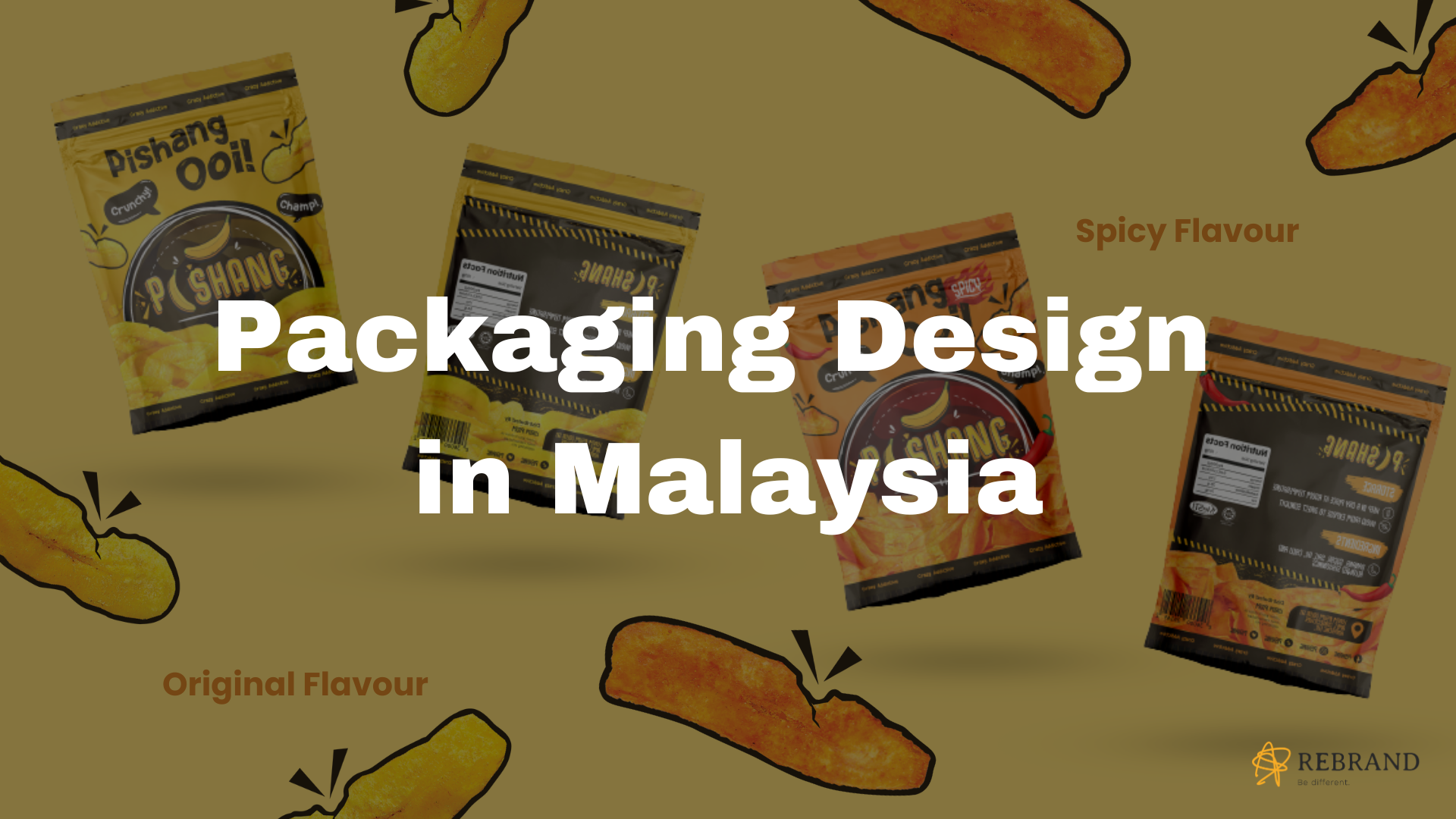 Malaysia’s rich culinary heritage and burgeoning food industry have led to a significant emphasis on food packaging design. Here are some key factors shaping packaging design Malaysia in this diverse market:
#1 Cultural Diversity
Malaysia’s multicultural society contributes to a rich variety of food products. Furthermore, packaging designs often incorporate elements from various cultures to appeal to a broad audience. For instance, a packaging design for a traditional Malay dish might incorporate Batik patterns or motifs, creating a deep connection with Malaysian heritage.#2 Halal Certification
In a predominantly Muslim country like Malaysia, obtaining Halal certification is crucial for food businesses. This certification indicates that a product complies with Islamic dietary laws. Packaging must prominently reflect this certification, influencing design choices and ensuring trust among Muslim consumers.#3 Sustainability
As global concerns about environmental sustainability rise, Malaysian businesses are increasingly adopting eco-friendly packaging materials and designs. Eco-conscious consumers in Malaysia are actively seeking products with minimal environmental impact. Packaging that aligns with these values not only appeals to consumers but also contributes to a brand’s image as socially responsible.#4 Local Sourcing
Promoting local ingredients and production is a growing trend in Malaysia’s food industry. Packaging design often reflects this by showcasing Malaysian authenticity. Products that emphasise the use of local ingredients, traditional recipes, and heritage often incorporate images of local landscapes or landmarks to convey their connection to Malaysian culture.For example, incorporating traditional motifs, local landmarks, or cultural symbols in your packaging design can create a deeper connection with local consumers.
A Closer Look at Food Label Design
Food label design is a vital aspect of food packaging, as it provides essential information to consumers. In Malaysia, food label design must comply with regulations enforced by the Ministry of Health. Some key elements to consider include:#1 Nutritional Information
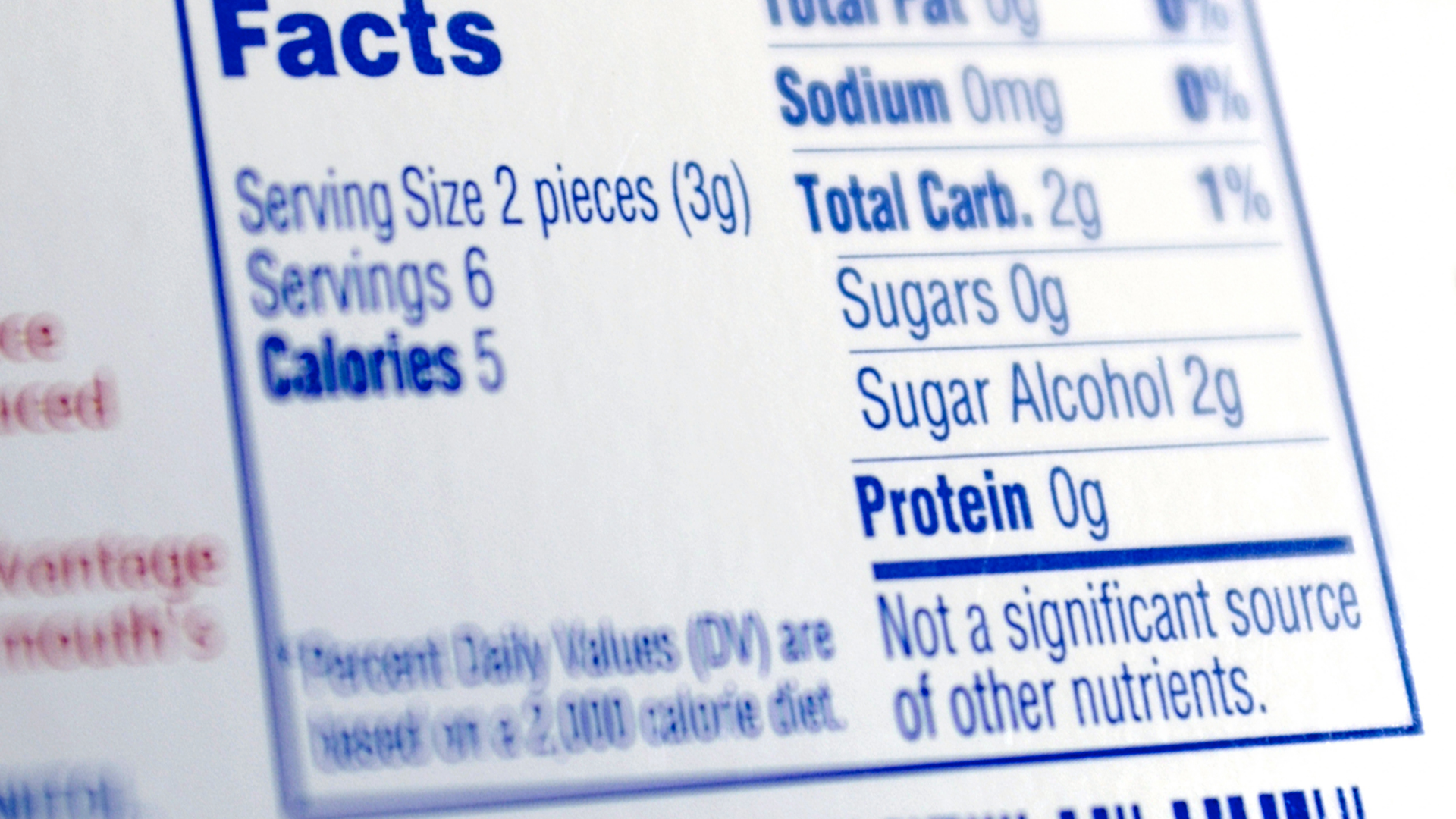 Clear and accurate nutritional facts help consumers make informed choices about their food. In an era where health consciousness is on the rise, nutritional information is a crucial aspect of packaging design. It enables consumers to assess the nutritional value of the product and make choices that align with their dietary preferences.
#2 Ingredients
 A detailed list of ingredients, including allergens, is essential for consumer safety. With the prevalence of allergies and dietary restrictions, transparent ingredient information is vital for consumers to make safe choices.
#3 Halal Certification
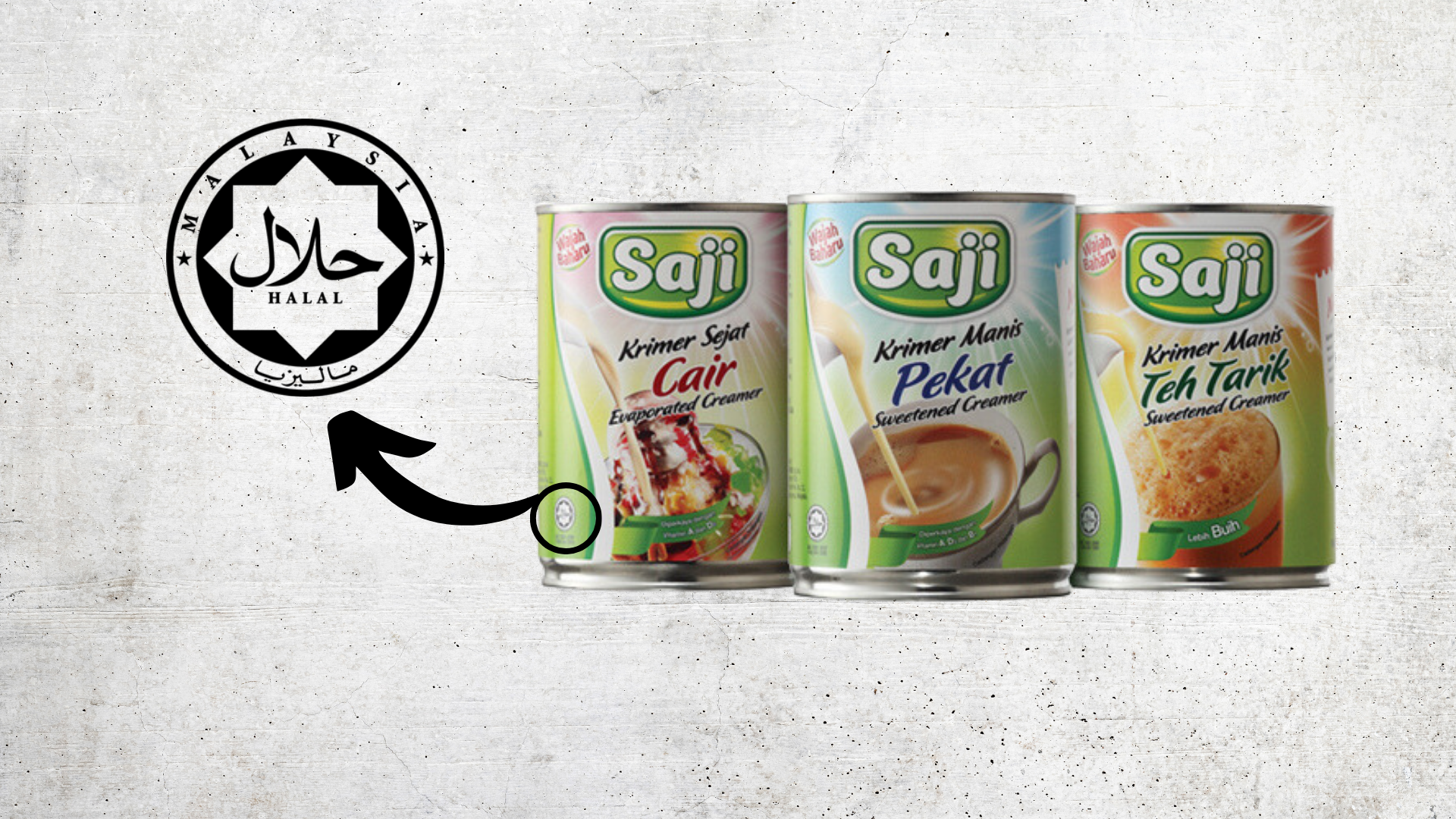 For many products in Malaysia, displaying the Halal logo on the label is a necessity. The Halal certification assures Muslim consumers that the product complies with Islamic dietary laws. It’s not just a religious requirement but also a mark of trust.
#4 Expiry Date
 Clearly stating the product’s shelf life ensures consumer safety. In a country with a tropical climate like Malaysia, where food can deteriorate quickly, accurate expiry date information is crucial to prevent foodborne illnesses.
#5 Country of Origin
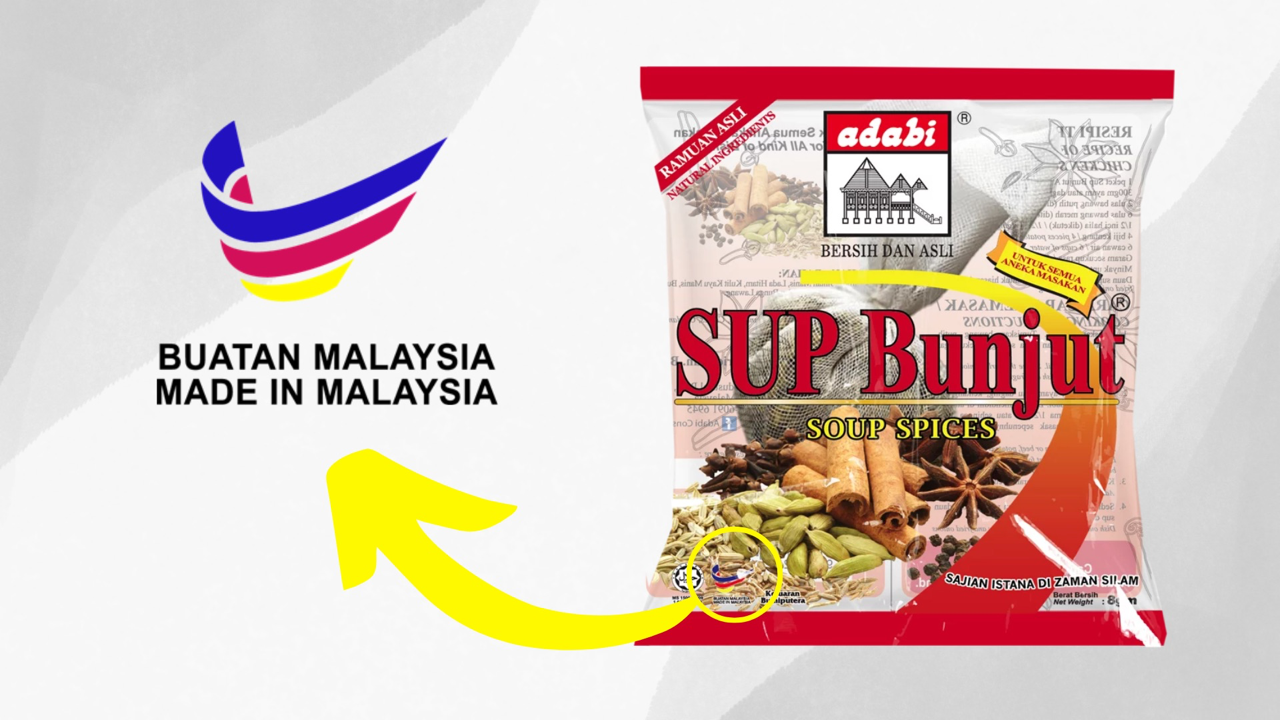 This information is increasingly important to consumers who prioritise locally sourced products. It’s not just about product traceability but also supporting local industries. Malaysian consumers often seek products with a ‘Made in Malaysia’ label to show their support for local businesses.
As a helpful tip: Utilise clear, easily readable fonts, and ensure that your food label design adheres to all regulatory requirements.
Current Trends in Food Packaging Design
 The world of food packaging design is continually evolving, and staying ahead of the curve is crucial. Here are some current trends observed in the Malaysian market:
#1. Minimalism
Clean, minimalist designs are gaining popularity. They reflect a focus on simplicity and clarity. These designs often utilise neutral colour palettes, simple typography, and uncluttered layouts to convey a sense of sophistication and elegance.#2. Sustainable Packaging
Biodegradable and eco-friendly materials are being used more frequently as consumers demand sustainable options. Packaging that communicates its environmental friendliness is a significant selling point.# 3. Bold Typography
Eye-catching typography can make a product stand out on the shelf. Bold, expressive fonts can convey the brand’s personality and message effectively. Typography becomes a visual element that communicates beyond words.# 4. Illustrations and Art
Custom illustrations and artwork are being used to tell a brand’s story and connect with consumers emotionally. These visuals help create a unique identity for the product, fostering a sense of loyalty among consumers.#5 Interactive Packaging
QR codes and augmented reality elements on packaging provide consumers with additional information and engagement opportunities. They can unlock recipes, product details, or interactive games, making the packaging itself an engaging experience.Example:
Malaysia’s famous chilli sauce brands often employ reds and oranges to emphasise spiciness and excitement, while a touch of green or yellow hints at freshness.Mastering the Craft of Food Packaging Design in Malaysia
As we draw the curtains on our exploration into the dynamic realm of food packaging design within Malaysia, a realm that harmoniously fuses elements of culture, creativity, and regulatory compliance, we uncover a multifaceted facet of the business landscape. Beyond its role in safeguarding foodstuffs, food packaging emerges as an influential instrument for crafting highly effective marketing strategies. Within Malaysia’s diverse and fiercely competitive market, businesses that dare to invest in innovative packaging and food label design find themselves not only captivating consumer attention but also forging a resilient brand presence. In this ever-evolving industry, where change is a constant companion, staying attuned to emerging trends and understanding the nuanced shifts in consumer preferences are the keystones of triumph. As we conclude our journey through the world of food Packaging Design Malaysia, we extend an invitation for you to embark on your path to success. Connect with us on LinkedIn:https://www.linkedin.com/company/rebrand-malaysia/ Follow us on Facebook:https://www/facebook.com/rebrand/org Check out our portfolio:www.rebrand.com.my/portfolio Claim your FREE 30-minute consultation with Rebrand Malaysia now! Subscribe to our newsletter to stay up-to-date with the latest digital marketing trends!Malaysian Food Packaging Design Frequently Asked Questions
This FAQ covers the most common questions about Malaysian Food Packaging Design. Last Updated: 8 July 2026
What is Malaysian food packaging design?
Malaysian food packaging design is a strategic combination of creativity, branding, and regulatory compliance that protects food products while serving as a marketing tool. It reflects Malaysia’s multicultural heritage, halal certification requirements, and sustainability values to resonate with local consumers and ensure product safety in the tropical climate.
- Protects products from moisture, air, and contamination in Malaysia’s tropical environment
- Serves as a marketing tool that captures consumer attention in competitive grocery aisles
- Conveys essential information including ingredients, nutritional facts, and usage instructions
Packaging design must comply with regulations enforced by the Ministry of Health in Malaysia.
Learn more about packaging design
Why is halal certification important on Malaysian food packaging?
Halal certification on food packaging is crucial in Malaysia because the country is predominantly Muslim, and displaying the Halal logo assures consumers that products comply with Islamic dietary laws. It is both a religious requirement and a mark of trust that influences design choices and builds consumer confidence.
- Required by law for most food products sold in Malaysia
- Indicates compliance with Islamic dietary laws
- Builds trust among Muslim consumers
Halal certification must be prominently displayed on packaging to meet regulatory and consumer expectations.
Explore packaging compliance standards
What cultural elements should be included in Malaysian food packaging design?
Malaysian food packaging should incorporate cultural elements from the country’s diverse multicultural society, such as Batik patterns, traditional motifs, local landmarks, and heritage symbols. These design choices create a deeper connection with local consumers by showcasing Malaysian authenticity and reflecting the cultural identity of the product.
- Traditional Batik patterns connect products to Malay heritage
- Local landmarks and landscapes convey connection to Malaysian culture
- Cultural symbols appeal to broad audiences across different communities
Cultural design elements help differentiate products in Malaysia’s competitive food market while building brand loyalty.
What food label information is required on Malaysian packaging?
Malaysian food labels must include clear nutritional information, detailed ingredient lists with allergens, halal certification logos, and expiry dates. These elements comply with Ministry of Health regulations and enable consumers to make informed purchasing decisions while ensuring product safety and transparency.
- Nutritional facts help health-conscious consumers assess dietary value
- Allergen information protects consumers with dietary restrictions
- Halal certification indicates compliance with Islamic dietary laws
- Expiry date clearly communicates product shelf life
Labels must meet Ministry of Health regulatory requirements to ensure consumer safety and legal compliance.
Review label design requirements
How does sustainability influence Malaysian food packaging design?
Malaysian food businesses increasingly adopt eco-friendly packaging materials and designs to address global environmental concerns and meet consumer demand. Sustainable packaging appeals to eco-conscious Malaysian consumers seeking minimal environmental impact and enhances a brand’s image as socially responsible.
- Eco-conscious consumers actively seek products with minimal environmental impact
- Sustainable packaging aligns with brand values and corporate responsibility
- Environmentally friendly materials differentiate products in competitive markets
Sustainability has become a growing trend in Malaysia’s food industry as businesses respond to consumer preferences.
Discover sustainable packaging solutions
How should food packaging be designed to protect products in Malaysia’s climate?
In Malaysia’s tropical climate, food packaging must effectively shield products from moisture, air, and contamination to preserve food quality and freshness. The design and material selection prioritise protection as the primary function, ensuring products remain safe and maintain their integrity until purchase.
- Packaging acts as the first line of defence against environmental damage
- Protection from moisture is critical in tropical environments
- Effective sealing prevents air and contamination entry
Malaysia’s tropical climate makes protective packaging design particularly vital for food product preservation.
Learn about protective packaging materials

- Pay Per Click Advertising - September 25, 2026
- Hiring Freelancers in Malaysia: Costs, Platforms & Best Practices - September 24, 2026
- Email Campaign Checklist: 9 Steps to Launch with Confidence - August 14, 2026