
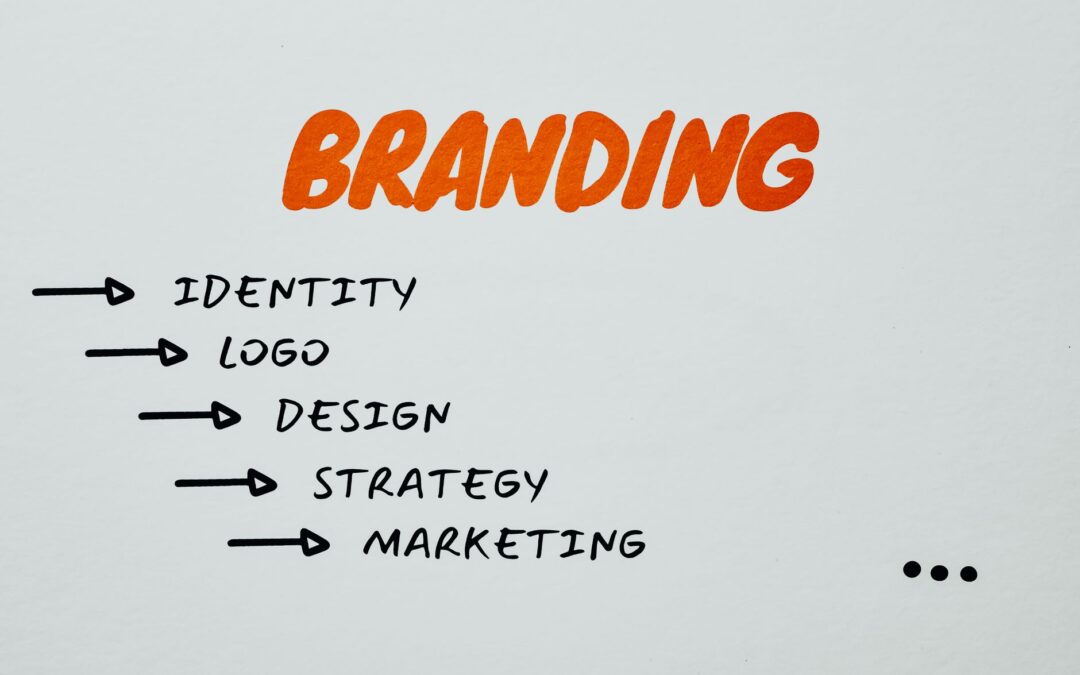
Malaysian corporations face intense competition in rapidly evolving digital markets. Effective corporate branding differentiates businesses and builds lasting customer loyalty in this landscape.
To build corporate branding in Malaysia, establish clear brand purpose aligned with local values, develop consistent visual and messaging guidelines, and integrate authentic storytelling across all customer touchpoints.
Corporate Branding Approach: Traditional vs. Integrated Digital Strategy
| Metric / Feature | Standard | Premium |
|---|---|---|
| Brand Development Timeline | 12–18 months (foundational identity only) | 6–12 months (identity + digital integration) |
| Market Positioning Focus | Local market penetration | Regional and digital presence |
| Investment Range (RM) | RM 50,000–150,000 | RM 150,000–400,000 |
| Touchpoint Coverage | Print collateral and signage | Multi-channel (digital, print, social, experience) |
| ROI Measurement | Brand awareness surveys only | Integrated metrics (awareness, engagement, conversion) |
What is Corporate Branding and Why Does It Matter in Malaysia?
Corporate branding is the strategic process of defining and communicating a company’s identity, values, and promise to stakeholders. In Malaysia’s competitive economy, strong corporate branding builds trust and differentiates organizations from competitors.
A well-executed corporate brand influences customer perception, employee engagement, and investor confidence. Malaysian enterprises benefit particularly when branding reflects local cultural values alongside global ambitions.
- Creates emotional connection with Malaysian and regional audiences
- Improves employee recruitment and retention through clear purpose
- Supports premium pricing and market positioning
- Builds resilience during market downturns
- Facilitates corporate expansion and partnerships
How Does Localized Branding Impact Malaysian Market Success?
 Photo by Magnific
Localized corporate branding incorporates Malaysian cultural nuances, languages, and consumer expectations into brand identity. This approach increases authenticity and relevance compared to generic global templates.
Businesses that integrate local insights into branding strategy see stronger market penetration and word-of-mouth advocacy. Malaysian consumers trust brands that demonstrate genuine understanding of their values and aspirations.
- Reflects respect for local customs and multi-ethnic diversity
- Increases brand recall among Malaysian target audiences
- Strengthens community relationships and corporate social responsibility narrative
- Enables authentic use of Malay, English, and regional languages
- Positions the brand as a trusted local-global player
5-Step Framework for Corporate Branding Success in Malaysia
 Photo by Magnific
- 1. Conduct Brand Audit and Market Research: Assess current perception, competitor positioning, and Malaysian consumer insights to identify branding gaps and opportunities.
- 2. Define Brand Purpose, Values, and Positioning: Articulate why your organization exists, what it stands for, and how it differs in the Malaysian market context.
- 3. Develop Visual Identity and Brand Guidelines: Create logo, color palette, typography, and messaging standards reflecting Malaysian cultural elements and global professionalism.
- 4. Build Multi-Channel Brand Experience: Integrate branding across digital platforms, physical spaces, customer service, and employee communications consistently.
- 5. Establish Measurement and Continuous Optimization: Track brand awareness, sentiment, and business impact through surveys and analytics; refine strategy based on quarterly results.
Expert Insight: Corporate Branding as Competitive Advantage
“Corporate branding in Malaysia is not just about aesthetics—it’s about authentically embedding your organization’s purpose into every customer interaction. Brands that understand and respect local cultural values while maintaining global standards create lasting competitive advantage and employee pride.”
— Clement Ng, Chief Executive Officer, Rebrand & Engage (Malaysia)
According to Harvard Business Review, Companies with strong corporate brands see 23% higher customer loyalty and 18% faster market expansion compared to those with weak brand identity..
Frequently Asked Questions About corporate branding malaysia
What is the typical cost of corporate branding for a Malaysian SME?
Corporate branding for Malaysian SMEs typically ranges from RM 50,000 to RM 200,000 depending on scope and complexity. Costs include brand strategy, visual identity design, guidelines development, and initial implementation across key touchpoints. Larger enterprises may invest RM 200,000 to RM 500,000+ for integrated brand systems and multi-market rollouts.
How long does it take to build a corporate brand in Malaysia?
A comprehensive corporate branding process usually takes 3 to 6 months for strategy and design, plus 2 to 3 months for implementation and staff training. Timeline varies based on organizational size, stakeholder alignment, and the number of markets or business units involved. Rushed branding often lacks authenticity and generates lower ROI.
Should corporate branding differ for Malaysian vs. regional markets?
Yes, foundational purpose and core values remain consistent, but visual expression, messaging tone, and cultural references should adapt to local preferences. Malaysian branding that acknowledges multi-ethnic diversity and local insights resonates stronger than one-size-fits-all regional approaches. Regional expansion benefits from localized adaptation while maintaining parent brand integrity.
How do we measure corporate branding success?
Key metrics include brand awareness (survey and social listening), customer sentiment (NPS and reviews), employee engagement (internal surveys), and business impact (revenue, market share, partnership inquiries). Establish baseline measurements before rebranding and track quarterly to demonstrate ROI. A 6-12 month window typically shows meaningful movement on perception and engagement metrics.
Can a company rebrand while maintaining customer loyalty?
Yes, transparent communication of why the rebrand matters and how it benefits customers is essential. Successful rebranding maintains brand promise while refreshing expression; most customers tolerate visual changes if the core value proposition remains strong. Phased rollouts and storytelling around the rebrand reduce confusion and loss of loyalty.
What role does employee advocacy play in corporate branding?
Employees are the first brand ambassadors and significantly influence external perception. Strong internal branding ensures staff understand and embody brand values, leading to authentic customer interactions and word-of-mouth advocacy. Companies investing in employee brand training see 20–30% improvements in external brand perception and customer satisfaction.

- Email Campaign Checklist: 9 Steps to Launch with Confidence - August 14, 2026
- How to Create Brand Guidelines: 7 Essential Steps - August 13, 2026
- How to Improve Your Google Business Profile in 2026 - August 12, 2026