
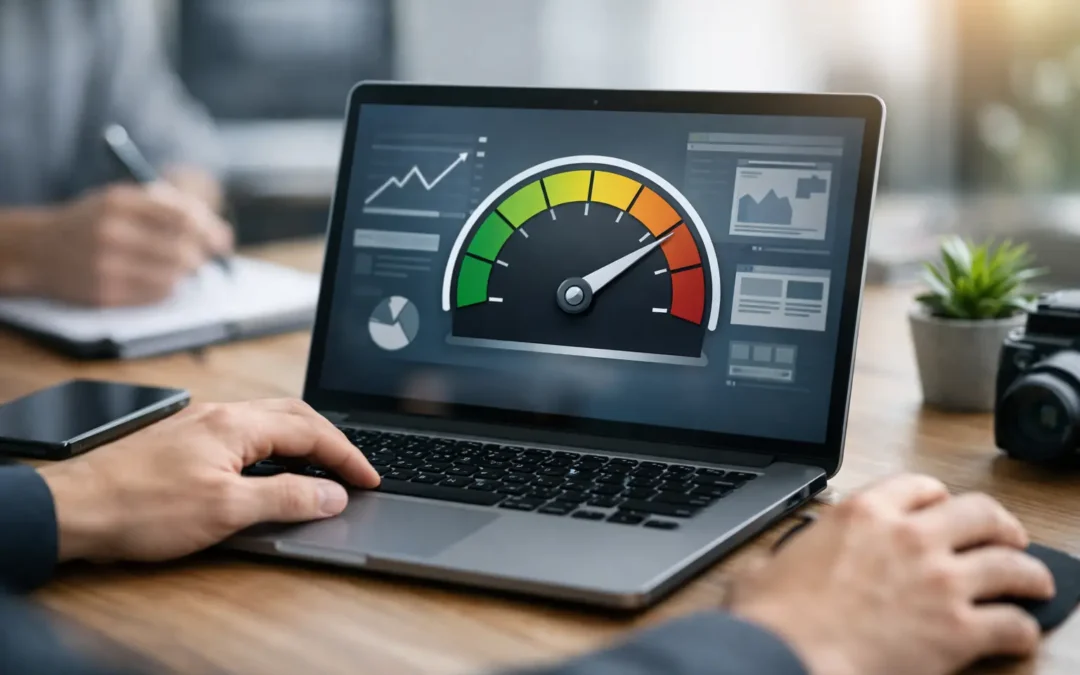
A slow website creates a costly gap between marketing effort and business results. You can invest in paid ads, SEO, social content, and a polished brand identity, then lose potential customers before your page finishes loading. Website speed optimization services close that gap by making the digital experience faster, more reliable, and easier to convert.
For growing businesses, speed is not a technical vanity metric. It affects how much of your ad budget reaches a real prospect, how confidently visitors view your company, and how effectively your website turns interest into inquiries, bookings, or sales.
Why Website Speed Optimization Services Matter
A visitor rarely sees a slow website as a server issue, an oversized image, or inefficient code. They see a business that feels difficult to deal with. When a product page hangs, a contact form takes too long to appear, or a mobile page shifts as it loads, people leave and continue their search elsewhere.
That behavior has direct commercial consequences. High bounce rates can weaken the return on paid campaigns. Slower pages can reduce the number of pages people visit and the number of forms they complete. Search visibility can also suffer when a website provides a poor user experience, particularly on mobile devices where connection quality and device power vary widely.
Speed matters most when the visitor has intent. Someone clicking an ad for a service, comparing suppliers, or checking out on an e-commerce site is close to making a decision. A delay at that moment introduces friction when your website should be building confidence.
What a Faster Website Can Improve
The value of speed optimization is not limited to a better score in a testing tool. The goal is a site that supports the full customer acquisition process, from the first click through to conversion.
A faster site can make paid advertising more efficient because more visitors reach the landing page content you paid to promote. It can strengthen lead generation by allowing service pages and forms to load promptly. For e-commerce businesses, it can reduce checkout abandonment and create a more dependable shopping experience across phones, tablets, and desktops.
It also supports brand perception. A clean, responsive website tells customers that the business is organized, current, and ready to serve them. That matters for startups establishing credibility and for established companies competing against more aggressive digital-first rivals.
Results still depend on the offer, messaging, traffic quality, and website design. A fast page cannot compensate for unclear pricing or a weak call to action. But a slow page can undermine even a strong campaign. Performance work protects the investment you have already made in design, content, SEO, and advertising.
What Website Speed Optimization Services Should Include
Effective optimization starts with diagnosis, not random plugin installations or blanket code removal. Every website has a different performance profile based on its platform, hosting environment, traffic sources, integrations, and content requirements.
A practical performance audit
The first step is identifying what actually delays the page. Common issues include oversized images, unnecessary scripts, unused code, poor caching configuration, slow server responses, excessive third-party tools, and too many page-builder elements. An audit should look beyond a single headline speed score and examine the experience on key pages such as the homepage, service pages, landing pages, product pages, and checkout.
This is especially important for businesses running ads. A homepage may load acceptably while the campaign landing page is weighed down by tracking scripts, videos, pop-ups, and large creative assets. The page that receives paid traffic deserves focused attention.
Image and media optimization
Visuals help sell, but uncompressed media is one of the most common reasons sites become slow. Optimization includes resizing images to their actual display dimensions, compressing files without visibly damaging quality, using modern image formats where appropriate, and delaying noncritical media until it is needed.
There is a trade-off here. A luxury brand, architecture firm, or product-led e-commerce store cannot simply strip out every large image and expect the site to perform commercially. The better approach is to preserve visual impact while delivering media efficiently. Fast does not have to mean visually plain.
Code, scripts, and plugin cleanup
Many websites accumulate digital clutter over time. A new tracking tool is added for one campaign. An old plugin remains active after a redesign. A chat widget, heatmap, booking system, review platform, and social feed all load at once. Each may be useful on its own, but together they can slow the site significantly.
Website speed optimization services assess which scripts are essential, when they need to load, and whether they are configured efficiently. In some cases, a business needs to keep a particular integration because it supports sales or reporting. The right decision is not always to remove it. It may be to delay it, limit it to specific pages, or replace it with a lighter alternative.
Hosting, caching, and delivery improvements
Front-end fixes have limits if the server is slow or the hosting setup is not suited to the website. Performance work may include improving caching, reviewing database efficiency, configuring content delivery, and recommending a hosting environment that matches the site’s traffic and platform.
This is where a strategic approach matters. A simple brochure site and a high-volume online store have different requirements. Paying for enterprise infrastructure can be unnecessary for a smaller site, while low-cost shared hosting may create avoidable performance problems for a business investing heavily in digital acquisition.
Mobile-first testing
Most business websites receive substantial traffic from mobile devices, yet many are still designed and tested primarily on desktop. Mobile visitors face smaller screens, variable connections, and less processing power. They also have less patience for cluttered layouts and delayed interactions.
Optimization should test the real journey on mobile: opening a service page, reading key information, tapping a call button, completing a form, adding a product to cart, and checking out. A page can look excellent on a desktop monitor while feeling frustrating on a phone.
Speed Optimization and Conversion Rate Work Together
The strongest performance projects connect technical improvements to conversion goals. That means prioritizing pages that generate leads or revenue rather than treating every page as equally urgent.
For a professional services business, the priorities may be the homepage, high-intent service pages, case studies, and contact forms. For an e-commerce store, the focus may be category pages, product pages, cart functionality, and checkout. For a company using paid search, campaign landing pages should be reviewed before less important content sections.
This approach also helps avoid waste. It is possible to spend weeks chasing a marginal improvement on an obscure page while the primary lead form remains slow, confusing, or unreliable. Performance should improve the customer path, not just produce better technical reports.
At Rebrand Malaysia, speed work can be aligned with website design, SEO, landing page development, and campaign execution. That integrated view helps ensure a faster site still reflects the brand clearly and gives visitors a compelling reason to act.
How to Know When Your Website Needs Help
You do not need to understand technical performance metrics to recognize the warning signs. If sales inquiries have fallen while traffic remains stable, if paid campaign costs are rising without stronger results, or if customers report problems using your site on mobile, performance may be part of the problem.
Other signs include pages that visibly load in stages, product images that take too long to appear, a checkout that feels delayed, or a website that becomes sluggish during traffic spikes. A recent redesign can also introduce problems if visual features, animations, and plugins were added without performance testing.
It is worth checking performance after any major change, including a new theme, e-commerce integration, tracking setup, campaign launch, or content migration. Website speed is not a one-time project because platforms, browser standards, and third-party tools keep changing.
Choosing the Right Optimization Partner
Look for a provider that can explain the business impact in plain language. Technical capability is necessary, but you also need someone who understands which pages support revenue, how ads and analytics affect performance, and where compromises make sense.
Be cautious of promises to guarantee a perfect score across every speed testing tool. Scores are useful indicators, but they can vary based on location, device, testing conditions, and third-party services. A better standard is measurable improvement in load behavior, usability, and the performance of your highest-value pages.
Ask what will be audited, what changes are recommended, whether the work includes mobile testing, and how results will be validated after implementation. A credible service should provide a clear path from diagnosis to action, with recommendations that fit your platform and commercial priorities.
Your website should not be the weak point in an otherwise strong growth strategy. When pages load quickly, visitors can focus on your offer, your credibility, and the next step you want them to take.

- Branding Transformation Example for SME Growth - August 11, 2026
- Corporate Website Content Planning Guide - August 10, 2026
- Website Trust Signals Checklist for More Leads - August 9, 2026